
A Validated Ecosystem Makes Printing Denture Bases Easy
Dr. Michael Braian has been printing with Formlabs 3D printers since the Form 1 Kickstarter, and his practice has been fully digital since 2011. The one ecosystem he’s currently printing on in-house is Formlabs Form 4B, using Formlabs resins. Why? It’s validated, meaning consistent, compliant results when printing with Formlabs materials.
As a prosthodontist, dental technician, and founder of the Swedish Organisation for Computer Aided Digital Dentistry (SWECADD), Dr. Braian is uniquely qualified to test new digital dentistry innovations, including new materials, so he put new Denture Base Resin V2 to the test.
A Validated Ecosystem Makes Printing Denture Bases Easy
Dr. Michael Braian has been printing with Formlabs 3D printers since the Form 1 Kickstarter, and his practice has been fully digital since 2011. The one ecosystem he’s currently printing on in-house is Formlabs Form 4B, using Formlabs resins. Why? It’s validated, meaning consistent, compliant results when printing with Formlabs materials.
As a prosthodontist, dental technician, and founder of the Swedish Organisation for Computer Aided Digital Dentistry (SWECADD), Dr. Braian is uniquely qualified to test new digital dentistry innovations, including new materials, so he put new Denture Base Resin V2 to the test.
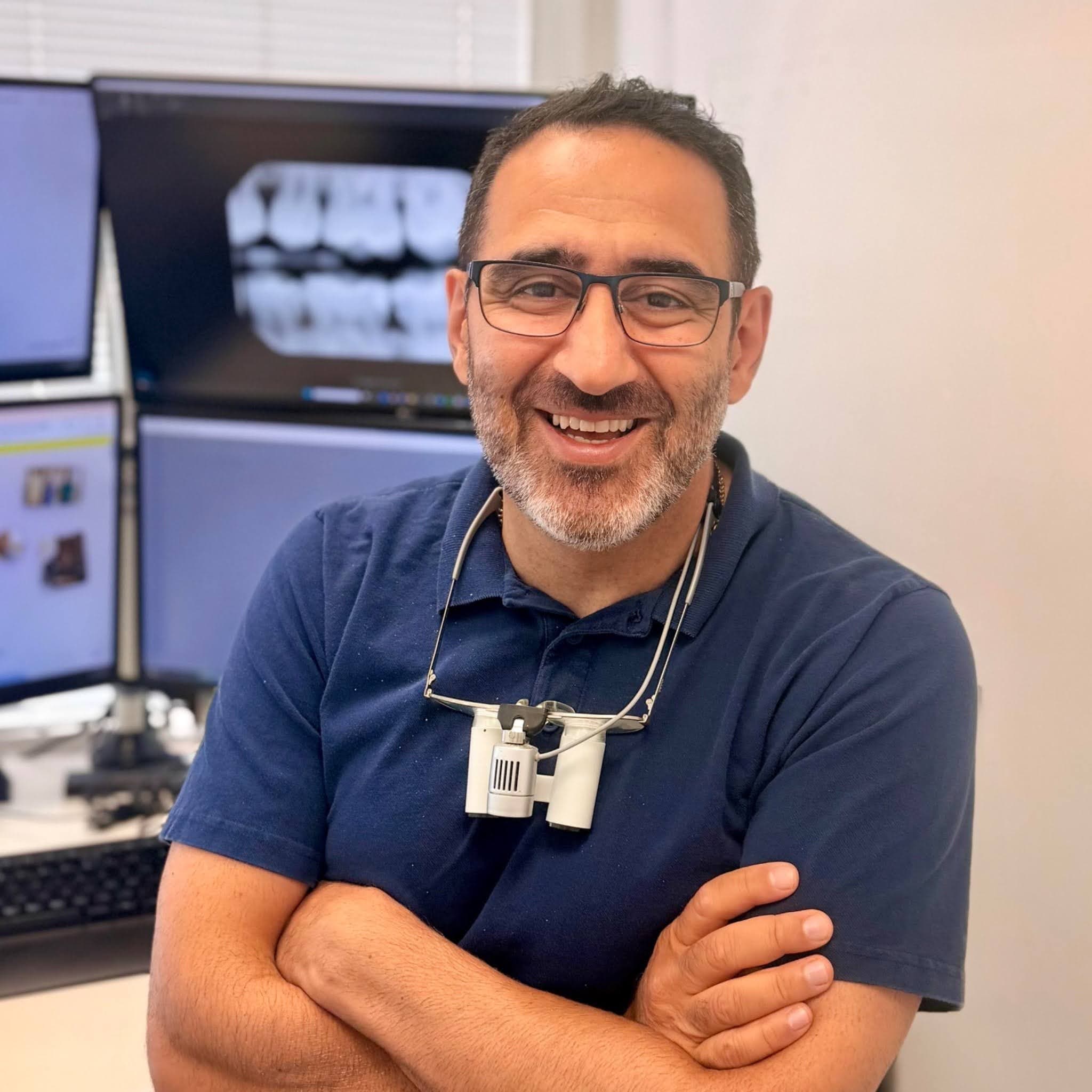
"The Form 4B combined Formlabs' accuracy with speed, and now comes the next generation of denture base material — a high-accuracy denture base that supports all the important steps you expect from a denture base."
Testing New Denture Base Resin
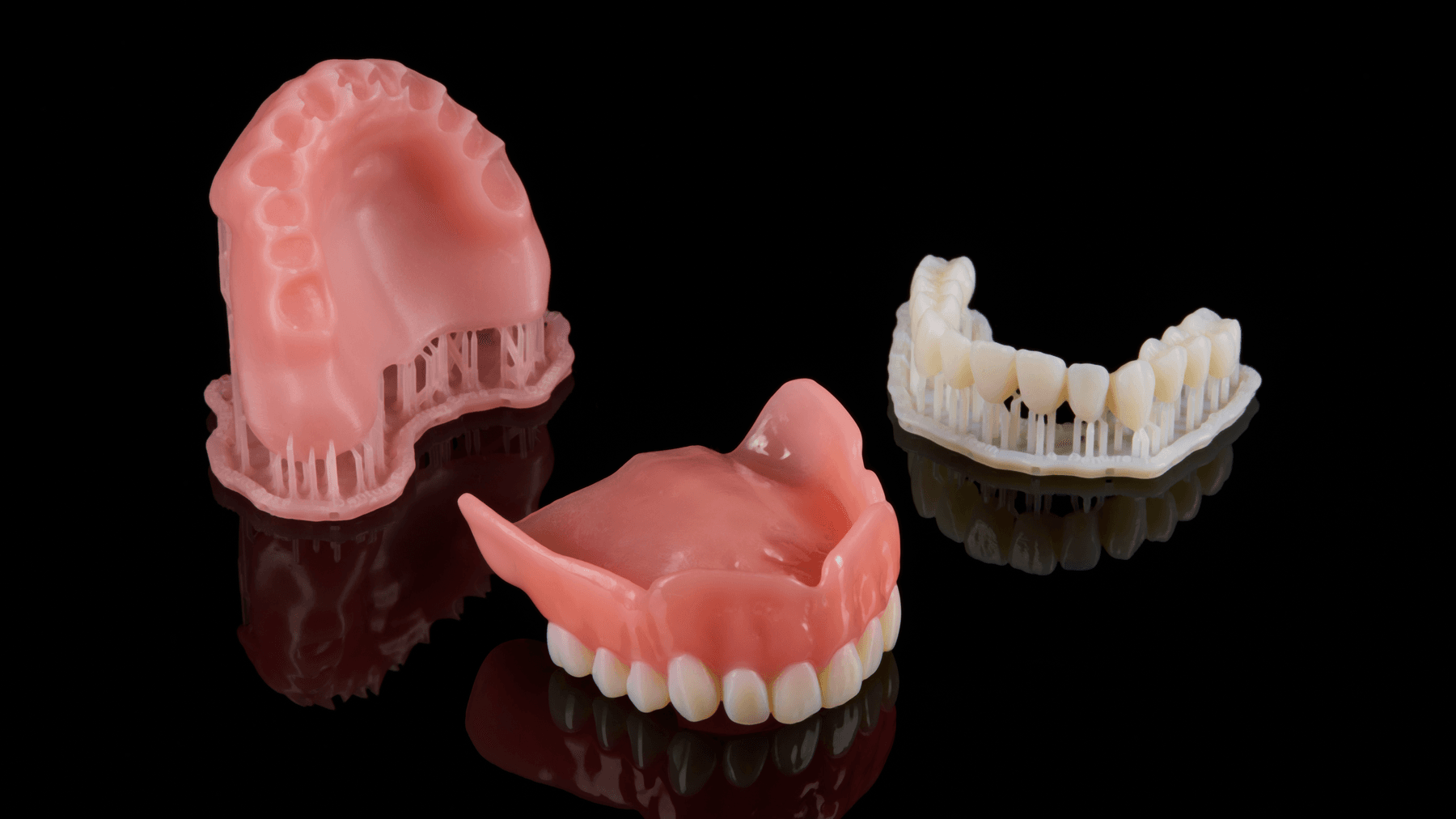
Dr. Braian started with accuracy tests: printing denture bases on Form 4B, scanning them with a laboratory scanner, and comparing the CAD file to the final print to check for warping and volume changes, especially deviations above 50 μm or in the posterior areas. Ultimately, he says, “The Form 4B printer manufactures the denture with very high accuracy.”
Dr. Braian prints denture teeth in Premium Teeth Resin, a nano-ceramic-filled biocompatible material, as one complete arch, and uses Denture Base Resin to bond the teeth. “In my testing, I wasn’t able to separate the teeth, even after hammering and grinding,” he says.
For dental technicians and denturists, the feel of a material while grinding can be a good indication of the material’s performance. For example, chipping may indicate a brittle material. Grinding Denture Base Resin V2 felt durable compared to other materials and Dr. Braian noted that the material has “really good polishability.”
The last test is relining, both soft and hard. “It is easy to both do a soft relining and hard relining,” says Dr. Brian. “If you do some sandblasting before, you can really get a good adhesion between the relining material and the denture base. The accuracy is really good.”
The Value of a Validated Ecosystem
“It is extremely convenient that Formlabs validates the whole ecosystem from start to finish. In this ecosystem, I feel very confident that whatever comes out is validated. It is compliant. I can give it to my patients without worrying.”
Formlabs materials are formulated to print on Formlabs 3D printers, with dialed-in settings for print preparation in PreForm, printing, and post-processing. Resins come in an auto-dispense cartridge for no-mess printing. By contrast, resins from other manufacturers need to be manually poured into resin tanks and refreshed when more material is needed.
Some alternative denture base workflows require manually pouring resin into the printer, using separate curing units, and additional bonding steps. Dr. Braian says, “There’s a lot that’s messy working with those workflows. But with Formlabs, you have everything you need in your clinic or milling center — you can use Denture Base Resin V2 to fuse the teeth to the base. It’s very convenient.”
Once denture bases are printed on Form 4B in Denture Base Resin, they’re washed in Form Wash for 10 minutes and then post-cured in Form Cure using presets that ensure the correct duration for each, making it easy to achieve consistent results.
Printing on the Form 4B Ecosystem In-House
The validated Form 4B Ecosystem means Dr. Braian can consistently print in house with little mess or hassle.
For particularly complex cases, ease of printing makes it easier for him to focus on the design and mechanics of a case rather than printing. One example is dentures for cancer patients, which may involve magnets or hollowing. For these complex cases, being able to print in-house enables Dr. Braian to have full control over production, ensuring that the technical and geometrically complex cases are executed correctly.
Printing Dentures With New Denture Base Resin
Now that Denture Base Resin V2 is available in Sweden (check biocompatible resin availability in your region here), Dr. Braian will use it for seven cases, with check-ins at six months and one year to see how the material stands up to intraoral use. If everything looks good, he’ll move to mass production with Denture Base V2.
To evaluate Denture Base Resin V2 for yourself, request a free sample part or purchase the resin to start printing. Questions? Find a reseller to learn more.